Residents encouraged be prepared for driving during severe weather
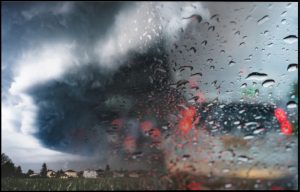 Severe weather is almost a year-round concern in Mississippi. The main severe weather season includes March, April and May; however, there is a secondary severe weather season in November and December.
Severe thunderstorms produce hail one inch or larger, winds greater than or equal to 58 miles per hour, and tornadoes. Additionally, some storms can produce frequent lightning and torrential downpours. All of these things can be safety hazards for drivers on the roads in Mississippi if caught in a storm.
Tornadoes
Tornadoes occur at any time during the year but are most common in March, April and May, with a secondary season in November. They can occur at any time of the day.
When driving in a car, do not try to outrun a tornado. Take shelter in a sturdy building nearby. If none is available, get out of the car and get into the lowest part of the ground, such as a ditch.
Never take shelter under highway overpasses. Many are not constructed properly to provide adequate shelter, especially as the wind speeds increase as the tornado passes over.
Damaging winds
Damaging winds can sometimes cause as much damage as a tornado. It is best to avoid driving when severe weather is nearby. If you are on the road and encounter high winds during a thunderstorm, it is safest to find shelter inside a building, house or some kind of sturdy structure.
Flash Flooding
Flash floods can occur within a few minutes or up to six hours after excessive rainfall. Never drive through a flooded area, as the road bed may be washed away, and you may not know how deep the water is. If you encounter a flooded road – TURN AROUND, DON’T DROWN!
Most flood deaths occur at night and when people become trapped in automobiles that stall in areas that are flooded. If your vehicle stalls, abandon it immediately and seek higher ground. The rising water may engulf the vehicle and the occupants inside. Do not camp or park your vehicle along streams or creeks during threatening conditions.
Hail
Hail doesn’t always occur with every severe thunderstorm, but it can cause significant damage to automobiles, buildings, crops, houses and people.
As evidenced from the large hail storm in March 2013, automobiles can really take the brunt of hail damage. If you are driving and encounter hail, you should find shelter for you and your car or find shelter inside a sturdy structure.
Lightning
Lightning can be incredibly powerful. If you see lightning or hear thunder, you are not safe. If you are in an all-metal vehicle, it is best to stay there with the windows rolled up. The metal frame protects you from lightning.
The best way to stay safe on the roads during severe weather is to have a plan. Prepare ahead of time, so you know whether severe weather will be occurring while you are driving and know what you’ll do if you encounter a severe thunderstorm on the road.