The importance of a day in 1776 Philadelphia
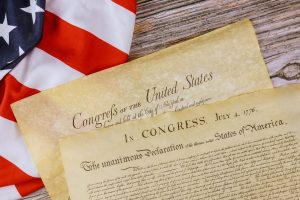 The scene is in Philadelphia, Pennsylvania. Heat drifted through the streets and settled against the brick walls of the city as horse hooves clattered over uneven roads and merchants called out to customers passing by. Yet, inside the State House, later known as Independence Hall, the atmosphere was far heavier than the weather outside.
Men gathered in uneasy silence, shifting in their chairs and wiping perspiration from their brows. The room smelled of candle wax, parchment and the warm air of summer. Though the city bustled beyond the windows, inside these walls, history waited.
For months, tensions with Great Britain had grown stronger. Arguments had become protests, and protests had become war. Colonists had grown tired of taxes placed upon them without representation and decisions being made for them from across the ocean. The idea of independence had once seemed impossible, even dangerous, but now it stood before them as a decision that could not be avoided.
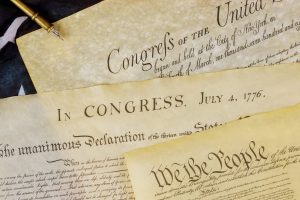
 Sheets of carefully written parchment rested upon a table in the chamber. The words carried extraordinary weight:
“We hold these truths to be self-evident, that all men are created equal; that they are endowed by their Creator with certain unalienable rights; that among these are life, liberty, and the pursuit of happiness.”
Many of the men in the room had helped shape those words. They debated them, revised them and fought for every sentence and phrase. Now, they faced the moment where ideas had to become action.
Outside, the people of Philadelphia continued with ordinary life, unaware that the course of history was turning only a few feet away. Children chased one another through dusty streets. Shopkeepers arranged goods in windows. Church bells stood still.
Inside, the men understood that signing this document was not just the act of placing ink to paper, it was signing their death warrant. It was direct treason against Britain.
Should Britain win the war, these signatures could become evidence against them. Their names could lead them to prison, ruin or even execution. Each man understood that by placing his name beneath those words, he was placing his own future in uncertainty.
As the ink dried, so did the old relationship with Britain. No trumpet sounded from the heavens. No thunder rolled across the sky. No grand celebration immediately erupted through the streets.
 The room simply grew quiet. Yet, in that quiet moment, something remarkable had happened. Thirteen colonies had declared themselves something new. A nation had taken its first breath. And, with the stroke of a pen, history began.
This year, the United States of America celebrates its 250th anniversary of its freedom from Britain. While not everyone agrees on the same forms of policy or the same way to run a government, it is the very thing that shows the true beauty of this nation.
We can all disagree on many different things; we can publicly speak out against the leadership in our communities and not be punished for it. It is the people who elect the very leaders that run the nation.
That is the whole point. We are one nation, under God, and we have been since July 4, 1776.
*The United States of America’s 250th Birthday is a year-long celebration.