Regional fire weather pattern prompts Leland burn ban
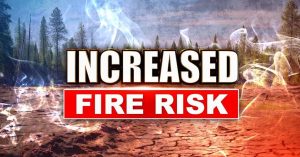
The City of Leland entered a burn ban Feb. 23 following a stretch of dry conditions and gusty winds that increased wildfire risk across the Mid-South.
The ban prohibits outdoor burning that produces embers, including debris piles, brush burning, campfires and similar open flames. It remains in effect until lifted by city officials.
While Washington County is not currently classified in moderate or severe drought on the U.S. Drought Monitor map, recent weeks have included below-normal rainfall and repeated frontal systems bringing breezy conditions. Those factors, combined with dormant winter vegetation, can create elevated fire risk even without a formal drought designation.
Fire danger in the Southeast often increases in late winter. Grasses and leaves remain brown and dry, agricultural fields are harvested, and vegetation has not yet greened up for spring. Behind cold fronts, humidity can drop and winds can strengthen, allowing fires to spread more quickly if ignited.
Recent wildfire activity near Lacombe highlights that these conditions are not confined to one state. Large fires can occur across the Gulf South when dry fuels and wind align, even in humid subtropical climates.
Burn bans are precautionary measures intended to reduce the likelihood of accidental ignition during periods of elevated fire weather. Under a municipal burn ban, open burning of yard debris and brush is not permitted.
Contained cooking appliances such as gas or charcoal grills are generally allowed because they are designed for food preparation and are enclosed. Residents are encouraged to use caution, keep grills attended and avoid placing them near dry vegetation, particularly during windy conditions. Anyone with questions about specific restrictions should consult city guidance.
The burn ban was lifted by city officials Feb. 24. As of press time, no burn restrictions were in effect. Long-range outlooks for March suggest periodic rain chances across the Mississippi Valley, with NOAA’s Climate Prediction Center indicating above-normal precipitation across parts of the region. Whether future burn restrictions are needed will depend on sustained rainfall and moisture returning to grasses and brush, along with local fire-weather conditions in the weeks ahead. In the meantime, officials encourage residents to remain cautious with activities that could produce sparks during dry or windy weather.